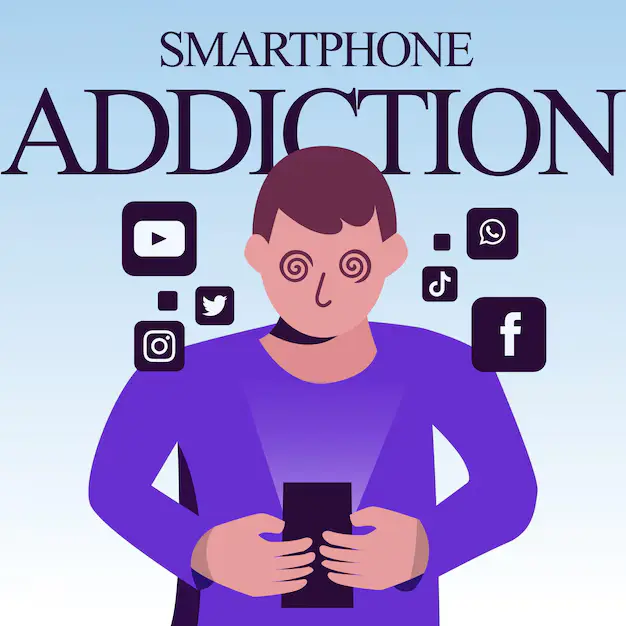
Stuck to screens, many students now face growing struggles with phone overuse. While these devices help with schoolwork, staying in touch, or discovering new things, too much time online can cloud thinking, mood, and real-life connections. Endless gaming, nonstop feeds – attention drifts from homework, rest suffers. What lies behind this pull? How does it reshape young minds? Adults guiding children need clear insights into causes, effects, practical ways forward. A calmer relationship with tech isn’t out of reach. Balance begins with awareness, grows through steady choices.
A steady hand with tech isn’t optional anymore – it shapes how students move through school.
One moment too deep online throws off focus
Phones take over when students can’t stop using them, messing up school, routines, time with others. Unlike regular checking, being hooked shows clear signals through behavior shifts.
Common patterns:
Lasting hours scrolling feeds and tapping screens
Games running with attention locked
Streams always on in the background
Hours slipping by without notice
Focus fading into repetition
Screens glowing long after intent is gone
Behavior signs:
Irritability when mobile usage is restricted
Skipping research, rest, and night hours
Family moments fading behind closed doors
Difficulty ignoring alerts during lessons
Study masking avoidance of real-world challenges
Mood swings
Rising anxiety
Irritability
Low self-esteem from social media
Reduced focus during school hours
Weak memory due to constant notifications
Lower classroom participation
Screens replacing free moments between lessons
Growing loneliness
Weakened relationships
Silent scrolling replacing shared moments
Distance even when sitting together
Cheap phones
Low-cost internet access
Easy online connection
Peer pressure
Social media and FOMO
Online gaming
Addictive apps
School tasks tied to phones
Learning spilling into break hours
Screens staying on too long
Deadlines pushed through apps
Blurred line between study and screen time
Lack of hobbies
Limited offline activities
Empty routines
Few choices
Narrow daily life
Set rules based on care, not control
Build routines with screen-free time
Observe how children use technology
Spot warning signs early
Talk about balance instead of banning apps
Create habits like charging phones outside bedrooms
Stay consistent rather than perfect
Turn screens off at a fixed hour
Give priority to quiet home time
Let evenings feel slower
Keep rules simple and calm
Team games
Creative play
Sports
Art activities
Parents putting down phones
Device-free dinners
Looking up before others do
Change happening quietly
Phones away at dinner
Talking instead of scrolling
Even ten minutes without alerts improves listening
Talk instead of shouting
Explain consequences of choices
Show how actions affect others
Explain when phones help or hinder
Guide without force
Build awareness slowly
Check usage habits regularly
Active lessons
Moving activities
Interactive tasks
Real participation
Purpose for restless hands
Awareness sessions on mobile addiction
Projects based on real-world exploration
Monitoring behaviour and performance
Parent–teacher coordination
Google Family Link – sets time rules, checks apps, shows usage
Qustodio – filters content, controls daily time
OurPact – blocks apps, tracks family devices, schedules access
Forest – grows trees when focus is maintained
Android Digital Wellbeing – tracks screen routines
St. Gabriel Convent School
Keshav Nagar, Sitapur Road,
Lucknow, Uttar Pradesh 226021
Phone:
+91 9838811278
+91 6307788923
School Hours:
Monday to Friday: 07:00 AM – 07:00 PM
Saturday: 09:00 AM – 03:00 PM
Sunday: Closed
Website:
http://stgabrielschool.co.in
Follow Us: