
Handling Stress During Exams

Introduction
Test time usually feels like the toughest stretch for pupils. Pressure to score high, dread of messing up, last minute rushes – these pile on unease fast. Still, a bit of tension? That’s just how school goes, sometimes it sharpens focus too. Handling it right makes all the difference though. Here come real methods that ease test nerves while boosting grades quietly from behind. At St.Gabriel Convent School – Best CBSE School in Lucknow, students are guided to balance preparation with calm thinking.
Understanding Exam Stress
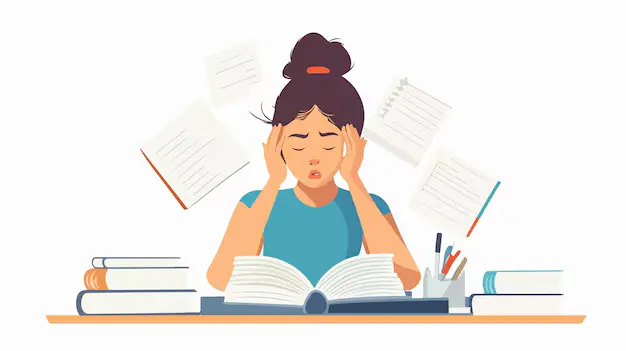
When pressure builds before tests, it often comes from wanting to meet personal standards or outside demands, chasing school targets, or simply coping with how intense school life feels. What happens inside the mind might include thoughts that spiral, a constant hum of worry, or moments where everything seems out of control. Instead of just thinking about it, the body reacts too – aches in the head pop up, energy drains fast, nights turn restless. Spotting these signals early changes what comes next. How one responds after noticing makes all the difference.
Preparation Builds Success
Start by mapping out your days. Planning ahead stands out as a strong move against test pressure. When you shape a clear routine, it becomes easier to handle what needs learning. Split subjects into smaller chunks instead of facing them whole. Give certain hours to particular topics so nothing gets missed. Slipping in brief pauses lets thoughts settle and energy return. Order replaces confusion when steps are followed. Feeling steady grows naturally through consistent structure.

Start small when you plan your study time. Pick clear tasks instead of loose ideas – like finishing a chapter rather than just saying “math.” Try shaping each session around one section plus a few example questions. This way, knowing how much you’ve done becomes obvious. Finishing what you planned feels good, even if it’s minor. Pressure slips away when steps are visible and doable.
Try staying involved while learning. This helps you get the topic better plus remember it longer. Turn your notes into short summaries, make flashcards, or explain ideas to classmates instead of just rereading them. When people study together, they often sort out confusing parts by talking through them. Ideas become clearer when shared among a few minds.
Starting with old exams might feel odd at first. Getting used to how questions are shaped helps lower stress when the real test comes around. Working through earlier versions gives a clearer sense of timing under pressure. Some find it settles the nerves just knowing what to expect. Facing familiar layouts on exam day makes things run smoother. Schools like St.Gabriel Convent School – Best CBSE School in Lucknow encourage students to practice with previous papers to build confidence.
Caring for You
Besides hitting the books, taking time to rest matters just as much right now. Sleep matters most. Getting solid rest boosts thinking skills and lifts mood. Try for seven to nine hours nightly, especially as test day nears. When nights are short, focus slips and recall fades. Tired minds feel pressure more sharply. Rest shapes readiness in quiet ways.
Good food helps your mind stay strong. Eating plenty of fruits, veggies, grains you recognize, and clean protein keeps your body awake and sharp. Too much coffee might leave you shaky. Sugary bites promise energy but deliver tiredness instead. Walking each day helps quiet the mind. When movement becomes routine – like stretching slowly or stepping fast through a park – tension slips away. A half hour several days weekly makes thoughts clearer. Some find rhythm in dancing, others in breathing deep during bends and holds. Over time, energy shifts without force. The body moves, then the weight on the chest grows lighter.
When thoughts race, slowing down breath often helps. Focusing on each inhale and exhale shifts attention away from tension. Tension eases when muscles are tensed then released one by one. Quiet moments like these add up without needing much time. A single pause, done fully, changes how nerves respond.
During the Exam
Facing the test, staying calm helps keep thoughts clear. A steady mind handles pressure better when answers matter most. Showing up well before the test starts means less scrambling at the end. A few extra minutes lets you adjust, breathe, and take in the room. Breathe slowly when nerves rise during the test. A few steady inhales and exhales ease tension, bringing your thoughts back on track.

Start by checking every direction closely. When you face a question, take time to look back at what was said first. Missing small points might lead you off track. Staying sharp here cuts down errors later. Last thing first – tricky questions can wait. Spend minutes where they matter most during the test. Skip tough problems and return later if time allows.
Post-Examination Reflection
After finishing the test, take time to think about what happened clearly, without rushing. Once everything settles down, ease into moments that feel good – catch up with people who matter, read, or do something creative. Quiet stretches like these bring back energy.
Look back at how things went under pressure. See what slowed you down and what kept you steady. Notice which habits helped and which did not. Learn from both without judgment. Growth comes quietly through honest review.
Conclusion
Stress around tests is common. Yet that pressure does not need to shape how you move through school. Start early and plan carefully to reduce panic later. Sleep and good food keep the mind sharp. Pause and breathe deeply when needed. These small moves ease tension quietly. Success is not only about high scores but staying steady inside. Handling stress improves with practice. Confidence grows when you know what works for you. Calm arrives not by chance, but by choice.
Contact Us
St. Gabriel Convent School
Keshav Nagar, Sitapur Road,
Lucknow, Uttar Pradesh 226021
Phone:
+91 9838811278
+91 6307788923
School Hours:
Monday to Friday: 07:00 AM – 07:00 PM
Saturday: 09:00 AM – 03:00 PM
Sunday: Closed
Website:
http://stgabrielschool.co.in
Follow Us:
Instagram: https://www.instagram.com/st_gabriel_convent_school
Facebook: https://www.facebook.com/people/St-Gabriel-Convent-School/6158
Frequently Asked Questions (FAQs)
What causes exam stress?
Exam stress comes from personal expectations, outside pressure, school targets, and the intensity of academic life.
How can planning reduce exam stress?
Planning study time into small tasks creates structure, prevents confusion, and makes learning feel more manageable.
Why is sleep important during exams?
Good sleep improves focus, memory, and mood. Lack of sleep makes pressure feel stronger and recall weaker.
How does exercise help with stress?
Regular movement like walking or stretching clears the mind and reduces tension by improving energy and mood.
What should students do during the exam to stay calm?
Arrive early, breathe slowly when nervous, read questions carefully, and skip difficult questions until later.
Why is reflection after exams useful?
Reviewing what went well and what didn’t helps improve future preparation and builds better stress-handling habits.